If you walk into your kitchen and notice your dishwasher is displaying a blinking «LC» on the control panel, you likely have a problem on your hands. This specific alert is not just a minor glitch; it is a critical safety mechanism designed to protect your home and the appliance itself from potential damage.
Understanding the Samsung Dishwasher LC Error Code is the first step toward resolving the issue. This guide will walk you through exactly what this error means, why it happens, and the safest steps you can take to troubleshoot and fix the problem without causing further harm to your kitchen or the machine.
What Does the LC Error Code Mean?
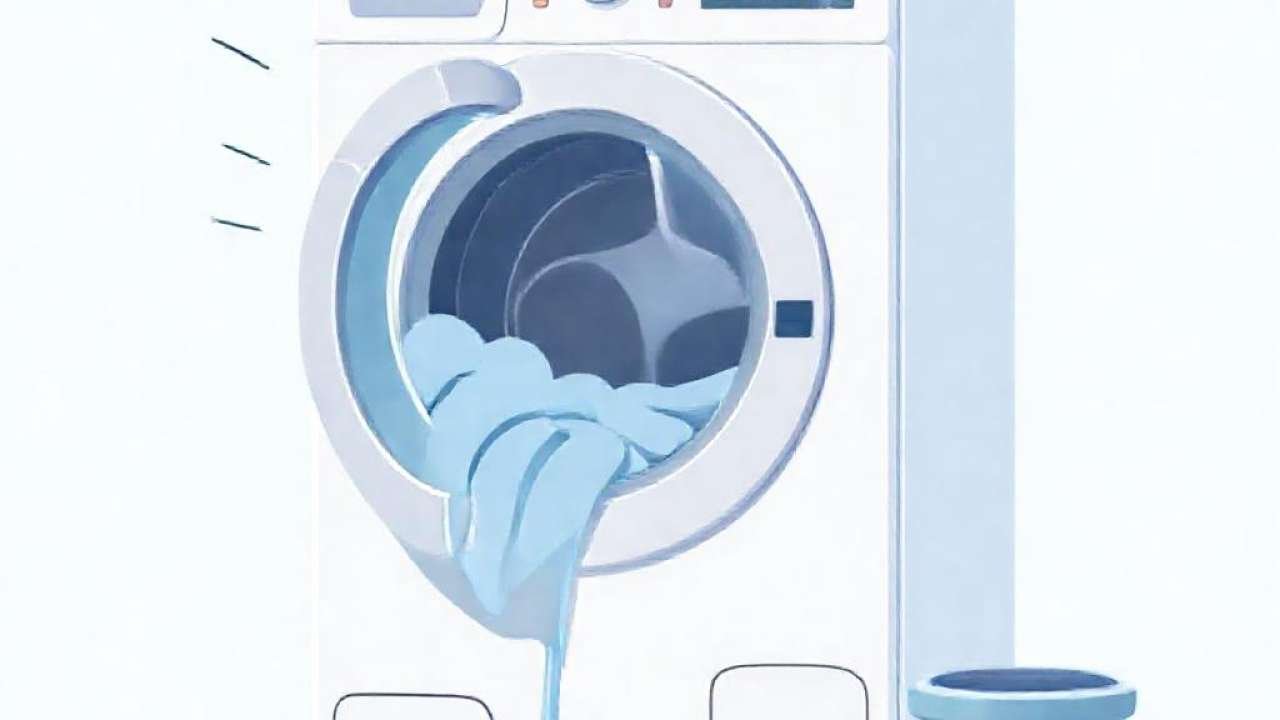
The LC error code stands for «Leak Check.» This error is triggered when the dishwasher’s internal sensors detect that water has accumulated in the base pan, which is the area underneath the main washing tub. This is a sophisticated safety feature designed to prevent water damage, flooding in your kitchen, and dangerous electrical hazards.
When this code is activated, the dishwasher will typically stop its normal wash cycle immediately. To prevent further flooding, many Samsung models are programmed to run the drain pump continuously. This is an attempt to pump any detected water out of the unit, which can lead to a constant humming noise coming from the bottom of the machine even when it is turned off.
How the Leak Detection System Works
To understand why the error occurs, you must understand the hardware involved. Most modern Samsung dishwashers utilize a float switch or a moisture sensor located in the bottom tray of the machine. This tray is designed to catch small amounts of overflow, but if water reaches a certain level, the float rises and triggers the electronic control board.
Once the sensor detects moisture, the system enters a protective state. This is a preventative measure to ensure that water does not leak into the internal electrical components or seep through the floorboards of your cabinetry. The sensor acts as a silent sentry, constantly monitoring the base pan for any signs of an actual leak or excessive condensation.
Common Causes of the LC Error Code
There are several reasons why your dishwasher might be reporting a leak. One of the most frequent culprits is a failed door gasket. If the rubber seal around the door is cracked, worn, or improperly seated, water can escape during the wash cycle and pool in the base pan, eventually triggering the sensor.
Another common cause is a faulty drain hose or an improperly installed water inlet valve. If the hose has developed a pinhole leak or a loose connection, water will drip continuously into the base. Additionally, internal components like the spray arms or the wash pump might be failing, causing water to spray outside of the intended tub area.
Step-by-Step Troubleshooting for Users
Before calling a technician, there are a few safe checks you can perform. First, check the bottom of the dishwasher and the floor surrounding the unit for visible puddles. If you see water, you have confirmed a leak. Next, inspect the door seal for any debris, food particles, or cracks that might be preventing a watertight seal.
You should also check the filter and drain area. Sometimes, a heavily clogged filter can cause water to overflow or back up in ways that trip the sensor. If you are comfortable doing so, you can try to tilt the dishwasher slightly (carefully) to see if water drains out of the base, which might temporarily clear the error, but keep in mind this is often a temporary fix for a recurring problem.
When to Call a Professional Repair Service
If you have checked the seals and cleaned the filters but the LC error code persists, it is time to contact a professional. A technician can perform a deep diagnostic to see if the leak is coming from an internal component like the water inlet valve, the circulation pump, or a cracked tub. Sometimes, the sensor itself is faulty and needs replacement.
Repair costs for a Samsung dishwasher leak typically range from $150 to $350, depending on which part requires replacement. While diagnostic fees can vary, many repair companies will waive the inspection fee if you proceed with the recommended repair. Attempting to disassemble the internal plumbing without proper tools can lead to even more expensive appliance damage.
Understanding Other Samsung Error Codes
While the LC code is critical, Samsung dishwashers often communicate other issues through various codes. For instance, a 4E error code indicates a water supply error, meaning the machine isn’t getting enough water to start. A 5E error code is a drainage error, suggesting that the water is not being pumped out of the tub properly.
You might also see 3C or 3E error codes, which point toward a fault in the wash motor or the pump itself. Being able to distinguish between a leak (LC) and a mechanical failure (3E/5E) helps you explain the situation more clearly to a professional technician, potentially speeding up the repair process and saving you time.
Preventing Future Leakage Issues
The best way to handle a Samsung dishwasher leak is to prevent it from happening in the first place. Regularly cleaning your dishwasher filter and inspecting the door gasket every few months can catch small issues before they become major repairs. Ensure that you are using the correct dishwasher detergent, as excessive sudsing can sometimes cause water to overflow.
Additionally, pay attention to how you load the machine. Overloading the bottom rack can sometimes block the spray arms, causing water to hit the door or the edges of the tub incorrectly. By practicing routine maintenance and proper loading techniques, you can extend the life of your appliance and avoid the stress of sudden error codes.
Recommended Video Guide
Conclusion
Encountering the Samsung Dishwasher LC Error Code can be alarming, but it is essentially your appliance’s way of protecting your home. By recognizing that this code signifies a «Leak Check» and understanding the common causes—from worn gaskets to faulty valves—you can approach the problem with confidence.
Remember to always prioritize safety; if you see significant water pooling, turn off the power to the unit immediately. Whether you perform a simple troubleshooting check yourself or decide to call in a professional, addressing the LC code promptly will prevent minor leaks from turning into costly home renovations.