Encountering an unexpected error code on your kitchen appliances can be a source of significant stress, especially when it involves food preservation. If your appliance display is flashing the Frigidaire Refrigerator H1 Error Code, it is a signal that requires immediate attention to prevent loss of groceries.
Understanding what this code signifies is the first step toward troubleshooting. In this guide, we will break down exactly what an H1 error means, how to perform essential checks, and the steps you can take to resolve the issue and restore your appliance to optimal working condition.
Understanding the H1 Error Code Meaning
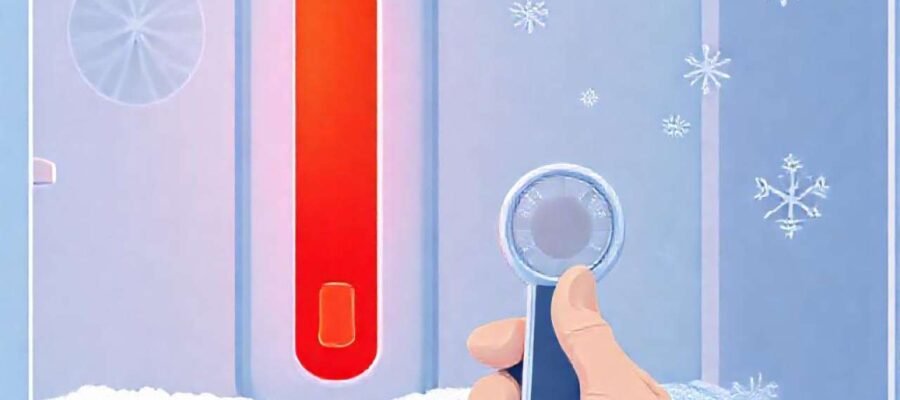
The Frigidaire Refrigerator H1 Error Code is a high-temperature alarm. When this code appears on your digital display, it indicates that the internal cabin temperatures have risen to unsafe levels. This is not merely a suggestion; it is a critical safety feature designed to protect your household from consuming spoiled food.
This alarm triggers when the sensors detect that the temperature inside the fresh food compartment or the freezer has climbed above a pre-set safety threshold for an extended period. While it could be caused by a simple door being left ajar, it can also signal a more serious cooling system failure that requires technical intervention.
Initial Steps: Performing a High-Temperature Alarm Reset
Before assuming that a major component has failed, you should attempt to perform a high-temperature alarm reset. Sometimes, the error code can be triggered by a momentary power surge or a temporary fluctuation in temperature that doesn’t necessarily mean the entire cooling system is broken.
To reset the alarm, consult your specific model’s manual, as the button combination varies. Generally, you may need to press a specific set of keys on the control panel to clear the error. If the code disappears and stays away, it may have been a transient issue. However, if the H1 error returns shortly after the reset, you must move on to deeper diagnostic steps.
Conducting a Freezer Sensor Test
If the reset does not solve the problem, the next logical step in troubleshooting the Frigidaire Refrigerator H1 Error Code is to conduct a freezer sensor test. The thermistor, or temperature sensor, is responsible for communicating the internal temperature to the control board. If this sensor is faulty, the refrigerator will «think» it is warm even if the compressor is running.
To test this, you may need to access the sensor located within the freezer compartment. Using a multimeter, you can check the resistance of the sensor to see if it falls within the manufacturer’s specified range. A faulty temperature sensor is a common culprit for persistent high-temperature alarms and is often a relatively inexpensive part to replace.
Common Causes of Temperature Fluctuations
There are several mechanical and environmental reasons why your refrigerator might be throwing an H1 error. One of the most common causes is dirty condenser coils. When dust and pet hair accumulate on the coils, the refrigerator cannot effectively dissipate heat, leading to a rise in internal temperatures.
Another possibility is a failing evaporator fan or a faulty compressor. If the fan isn’t circulating cold air throughout the unit, or if the compressor isn’t pumping refrigerant efficiently, the internal cabin temperature will inevitably rise. Checking for consistent airflow and listening for unusual clicking or humming sounds can help narrow down the cause.
Checking Door Seals and Airflow
Sometimes the issue isn’t mechanical, but rather a matter of physical seals. Inspect the magnetic door gaskets for any cracks, tears, or debris. If the seal is not airtight, cold air will escape constantly, forcing the refrigerator to work harder and eventually triggering the high-temperature alarm.
Additionally, ensure that the refrigerator is not overstuffed. While it is important to keep food organized, blocking the air vents inside the compartment can prevent proper air circulation. This creates «warm spots» within the unit that can deceive the sensors into triggering an H1 error code.
Differentiating Between Refrigerator and Air Conditioner Errors
It is important not to confuse refrigerator errors with those found in other Frigidaire appliances. For instance, if you are using a Frigidaire room air conditioner and see a «P1» error code, this is entirely different from the H1 refrigerator code. The P1 error specifically means the bottom drain tray is full.
To fix a P1 error on an AC unit, you must move the unit to a drain location, remove the bottom plug to drain the water (which may require tilting the unit), and then reset the unit by unplugging it for 30 seconds. Recognizing the difference between these codes ensures you apply the correct troubleshooting method to the specific appliance in need.
When to Call a Professional Technician
While many issues like dirty coils or door seal problems can be handled by a homeowner, certain components are best left to the experts. If you have reset the alarm and checked the sensors, but the Frigidaire Refrigerator H1 Error Code persists, you may be dealing with a refrigerant leak or a failed control board.
Handling refrigerant or complex electrical components carries risks. If the problem involves the sealed system or the main electronic controller, it is highly recommended to contact a certified technician. They have the specialized tools required to diagnose deep-seated mechanical failures and ensure your refrigerator is running safely and efficiently.
Recommended Video Guide
Conclusion
In summary, the Frigidaire Refrigerator H1 Error Code is a vital warning that your appliance’s internal temperature is too high. By performing an initial alarm reset, checking the freezer sensor, and inspecting the door seals and condenser coils, you can often identify and fix the problem yourself.
Remember to stay vigilant; if the error returns after your initial checks, do not ignore it. Addressing the issue promptly will protect your food supply and extend the longevity of your refrigeration unit. Whether it is an H1 error in your fridge or a P1 error in your air conditioner, understanding the meaning behind the code is your best defense against appliance failure.