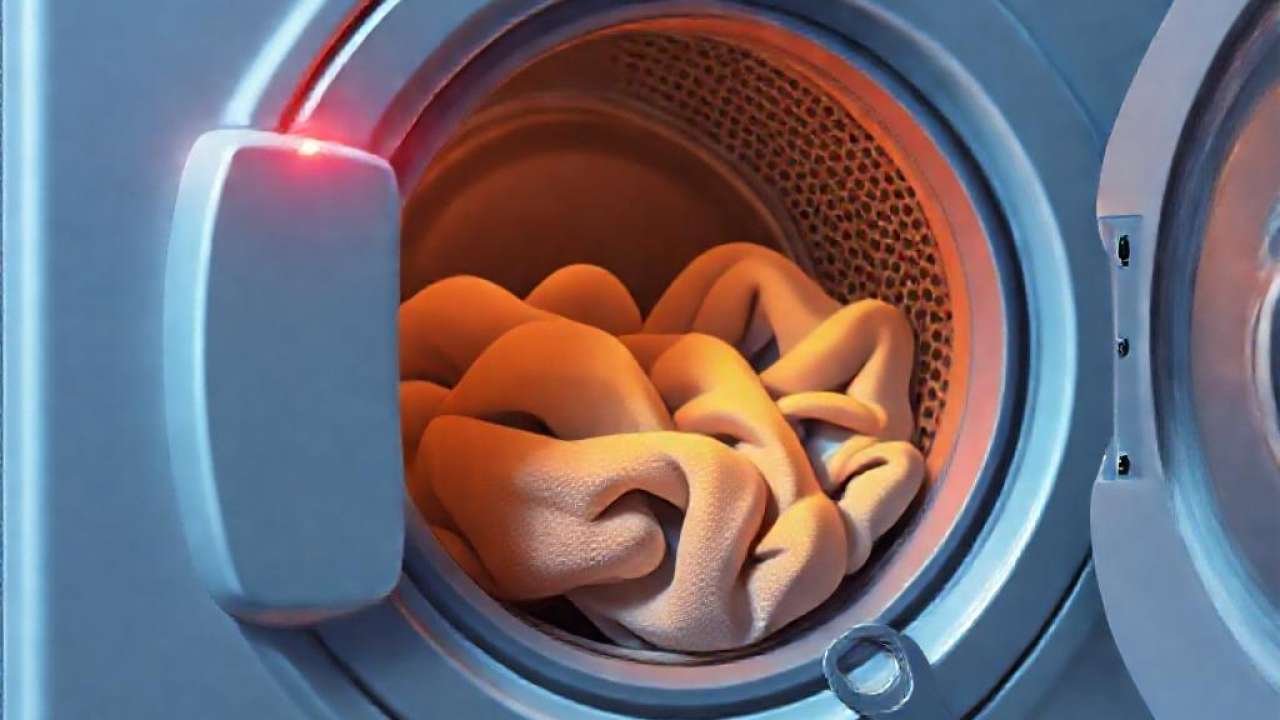

If you have ever walked into your laundry room only to find your appliance stuck in a loop of blinking lights, you know how frustrating it can be. An Amana washer lid lock light flashing signal is more than just an annoying blink; it is your machine’s way of communicating a specific error. This error code tells you that the machine cannot complete its safety protocol because the lid is not securely engaged.
Before you call an expensive repair technician, it is important to understand that this issue is often caused by something very simple. By following a systematic troubleshooting approach, you can often resolve the lid lock error yourself, saving both time and money. This guide will walk you through the most common culprits and how to fix them.
Understanding the Root Cause of the Flashing Light
When the lid lock light begins to flash, it generally means the washing machine control board is not receiving the signal that the lid is safely locked. For safety reasons, an Amana washer will not begin a cycle, drain water, or spin while the lid is unsecured. This light serves as a vital safety feature to prevent water from spilling or the drum from spinning while someone is reaching inside.
The flashing light typically indicates one of three primary scenarios: the lid isn’t physically closed, the lock motor lacks the electrical power to engage, or the mechanism has reached a state of misalignment. Identifying which of these is occurring is the first step toward a successful repair. Most often, it is a mechanical obstruction rather than a complete electronic failure.
Check the Lid Closing Mechanism
The most common reason for an Amana washer lid lock light flashing is that the lid is simply not shut all the way. Over time, heavy loads of laundry or even a small item like a stray sock can prevent the lid from seating properly against the frame. If the lid is even a few millimeters off, the sensor will fail to detect that the latch is engaged.
To fix this, try firmly pressing down on the lid to ensure it is fully seated. You should also inspect the lock striker—the piece on the lid that physically enters the lock mechanism. If the striker is loose, cracked, or bent, it won’t enter the lock correctly, causing the light to blink incessantly. Replacing a plastic striker is a very inexpensive and easy DIY task.
Clean Up Detergent and Lint Build-Up
Maintenance is a key part of appliance longevity. Over months of use, detergent residue, fabric softener, and lint can accumulate around the lid lock assembly. This sticky buildup can create enough resistance to prevent the latch from sliding freely into the locking position, triggering the error light.
Take a soft, damp cloth and thoroughly clean the area around the lock and the striker. Ensure there are no dried clumps of soap preventing the movement. Once the area is clean and dry, try closing the lid again. Keeping the locking mechanism clean can actually prevent future error codes and extend the life of your washer’s components.
Verify User Input and Control Panel Settings
Sometimes, the issue isn’t a mechanical failure but a matter of how the machine is being operated. On many Amana models, simply selecting a cycle isn’t enough to start the process. You may need to ensure the selector knob is perfectly aligned with the desired wash cycle. If the knob is stuck halfway between two settings, the control board may produce an error.
Furthermore, many users forget that certain models require the Start button to be held for up to three seconds to engage the cycle. If you merely tap the button, the machine might attempt to lock, fail to register the command, and then flash the light. Always ensure you are following the specific start sequence defined in your user manual.
Evaluating the Lid Lock Motor and Power
If you have confirmed that the lid is closed, the striker is clean, and the controls are set correctly, you may be looking at a more technical issue. The lid lock motor is responsible for physically moving the locking pin into place. If this motor has failed or is receiving insufficient voltage, it cannot complete the locking sequence.
When the motor lacks the power to drive the latch, the machine will report a fault via the flashing light. Testing the electrical continuity of the lock assembly may be necessary if you are comfortable using a multimeter. If the motor is dead, you will need to purchase a replacement lid lock assembly specific to your Amana model number.
Inspecting for Physical Obstructions
It is easy to overlook small objects that can interfere with the locking process. Check the rim of the washer tub and the underside of the lid for any obstructions. A small piece of clothing, a rogue thread, or even a buildup of hard water scale can prevent the latch mechanism from fully engaging with the motor.
Use a flashlight to peer into the lock cavity. If you see any debris, remove it carefully. Ensuring that the path between the lid striker and the lock is completely clear is a crucial step in resolving the Amana washer lid lock light flashing issue. Even a tiny pebble or a hard piece of dried soap can disrupt the sensor’s ability to detect a «closed» state.
When to Call a Professional
While most lid lock issues are simple fixes, there are times when the problem lies deep within the main control board. If you have replaced the lid lock and cleaned the mechanism, but the light continues to flash, the electronic brain of the washer may be unable to send the signal to lock the lid.
If you suspect a faulty control board or internal wiring issues, it is best to contact a certified technician. Messing with high-voltage components without proper training can be dangerous. However, by performing these basic checks first, you ensure that you won’t pay for a professional repair when a simple cleaning or a firm press of the lid would have sufficed.
Recommended Video Guide
Conclusion
An Amana washer lid lock light flashing can be a sign of anything from a simple obstruction to a faulty motor. By systematically checking the lid alignment, cleaning the area of lint and soap, and ensuring the Start button is pressed correctly, you can likely solve the problem in minutes. Remember to inspect the physical striker and the lock cavity for any debris that might be preventing a secure connection.
Through regular maintenance and attentive troubleshooting, you can keep your laundry running smoothly and avoid unnecessary repair costs. If all else fails, a replacement lock assembly or a professional inspection is your next best step toward getting your laundry routine back on track.