If you are staring at your appliance and seeing the Whirlpool Dryer AF error code flashing on the display, you are likely dealing with a disruption in the drying process. This specific code is a signal from the machine’s internal sensors that something is obstructing the intended path of airflow.
Understanding this error is the first step toward preventing potential overheating or damage to your clothes. While it might seem intimidating, many instances of the AF error can be resolved with a few simple inspections of your home’s ventilation setup without needing a professional technician immediately.
Understanding the AF Error Code Meaning
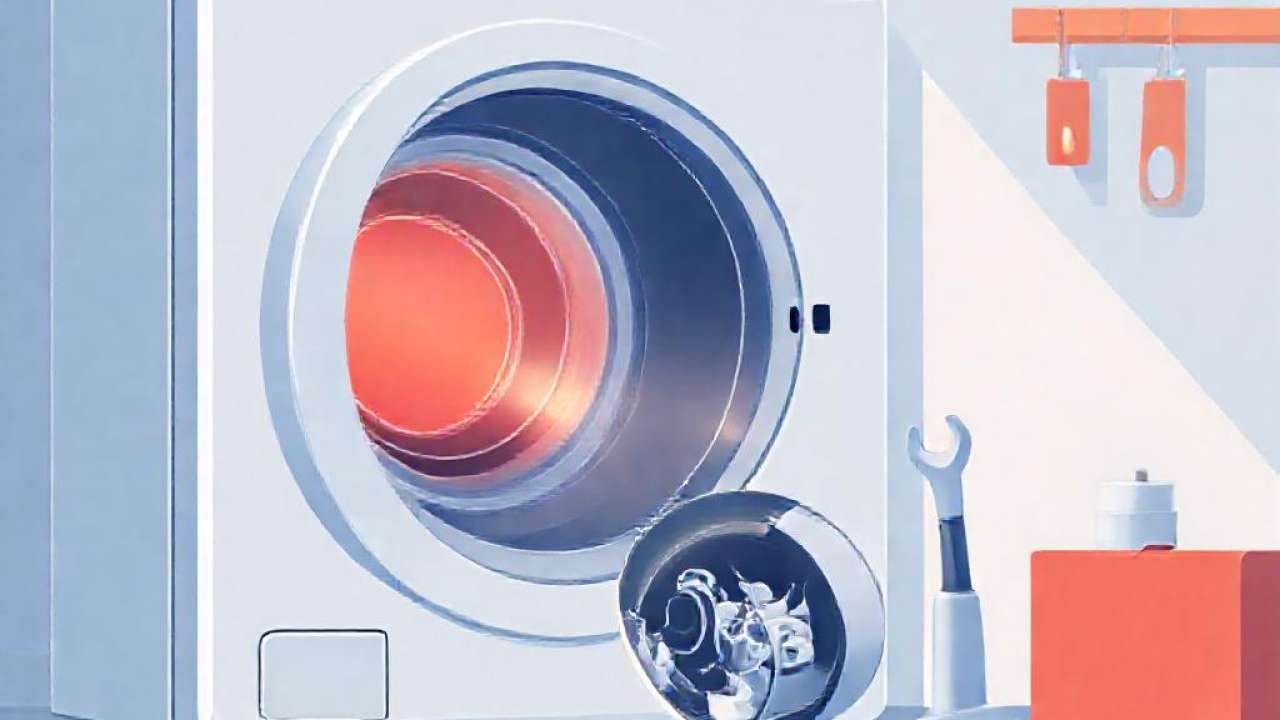
The AF error code specifically indicates a low inlet air flow condition. Modern Whirlpool and Amana dryers are equipped with sensors designed to monitor how much air is moving through the drum and out of the exhaust vent. When the airflow drops below a certain threshold, the control board triggers this code to protect the heating element.
This mechanism is a crucial safety feature. If air cannot move freely, the temperature inside the dryer can rise to dangerous levels, potentially leading to fire hazards or melting sensitive fabrics. By displaying the AF code, the machine is essentially telling you that it cannot cool itself properly or vent moisture efficiently.
Common Causes for Low Airflow
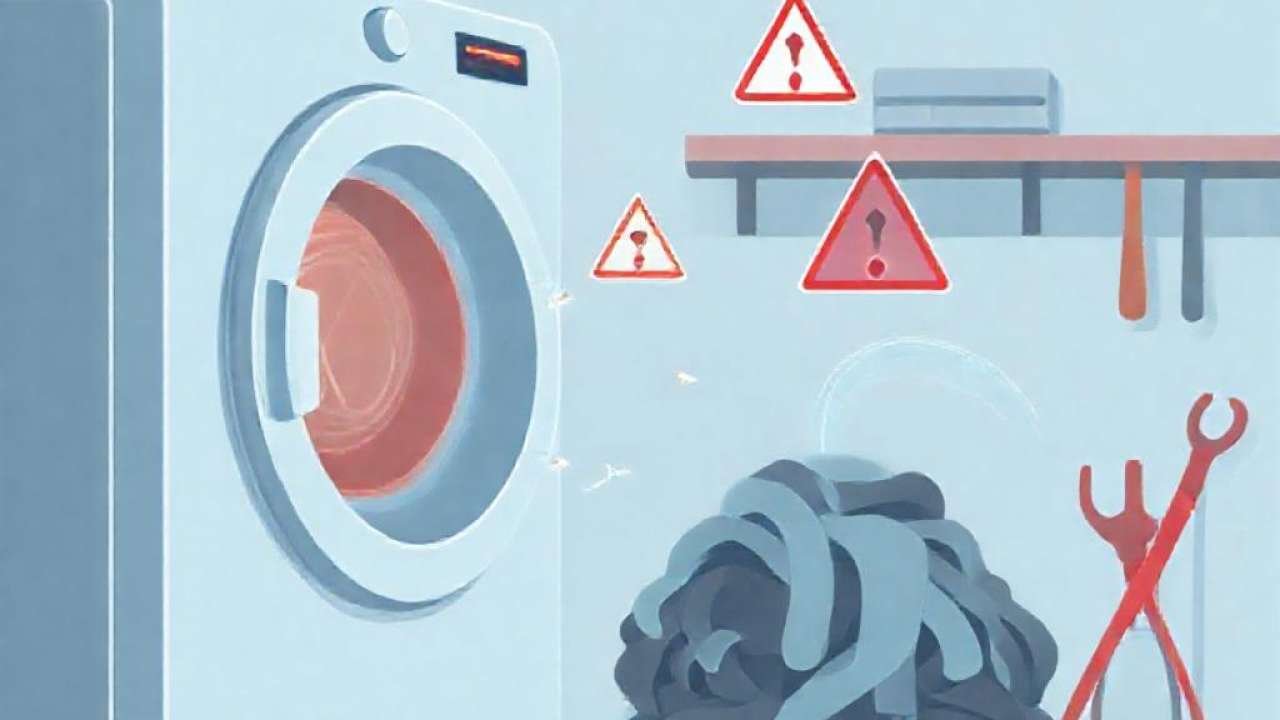
The most frequent culprit behind the Whirlpool Dryer AF error is a physical obstruction in the vent line. This often happens when the flexible transition duct located between the dryer and the wall becomes crushed or kinked. If the dryer was pushed too close to the wall during installation, the vent hose may have collapsed, choking off the air supply.
Another common cause is a heavy accumulation of lint buildup within the exhaust ductwork. Over years of use, lint can settle in the bends of the vent or inside the wall ducts, creating a thick barrier. This buildup significantly restricts the volume of air moving through the system, triggering the airflow sensor to alert the user.
Step-by-Step Troubleshooting for AF Errors
To begin troubleshooting, start by inspecting the vent hose behind the dryer. Physically move the machine slightly and check if the silver or white accordion-style hose is pinched. If you see any kinks, straighten the hose and ensure there is enough clearance between the appliance and the wall to allow for natural movement.
Next, you should disconnect the vent from both the dryer and the wall to inspect the interior of the hose. If you find a mass of lint, use a vacuum or a specialized dryer vent cleaning tool to clear it out. Always remember to check the lint filter inside the drum as well; a clogged filter can also contribute to poor circulation, though the AF code usually points further down the line.
Distinguishing AF from F70 Error Codes
It is important not to confuse the AF code with other diagnostic signals, such as the F70 error code. While the AF code is about airflow, the F70 code indicates a communication error. This error typically means the user interface is having trouble «talking» to the main control board, often due to faulty wiring or a glitch in the electronic components.
If you are seeing an F70 error instead of AF, the troubleshooting steps are completely different. For F70, you should start with a full power reset by unplugging the unit for several minutes. If the error persists after the reset, the issue likely involves the control board or the wiring harness, which usually requires a professional repair.
Common Washer Error Codes You Should Know
If you own a matching Whirlpool washer, you may encounter different codes that look similar but have vastly different meanings. For instance, an E1 error on a washer indicates that the machine is detecting low or no water fill. This could be due to a closed water valve or a faulty inlet valve, rather than an airflow issue.
Other common washer codes include E2, which signals an abnormal drain condition, and E3, which indicates an abnormal spin cycle. Troubleshooting these requires looking at the drain pump or the lid switch rather than the vent. Knowing the difference between dryer and washer codes helps you avoid wasting time on the wrong repair path.
Advanced Washer Error Codes and Indicators
As you dive deeper into appliance maintenance, you might encounter codes like E4, representing a lid that is open during a cycle, or E5, which points to a lid lock malfunction. For those dealing with heavy laundry loads, the F0E5 error is common and simply means the machine has detected an off-balance load.
Even more specific is the 3 STATUS LEDs flashing error. This is a universal indicator on many Whirlpool models that a power failure occurred during a cycle. This isn’t necessarily a mechanical breakage but rather a notification that the machine lost power mid-operation, which could be due to a tripped breaker or a localized outage.
Recommended Video Guide
Conclusion
Dealing with a Whirlpool Dryer AF error code can be frustrating, but most solutions involve simple physical maintenance. By ensuring your ventilation is clear and your hoses are not crushed, you can restore proper airflow and keep your dryer running safely. Always remember to clear out lint regularly to prevent this code from returning.
If you have ruled out airflow issues and are instead facing communication errors like F70 or complex washer errors like E1 or E2, it may be time to consult a professional. Proper diagnosis is the key to efficient repairs and extending the lifespan of your household appliances.