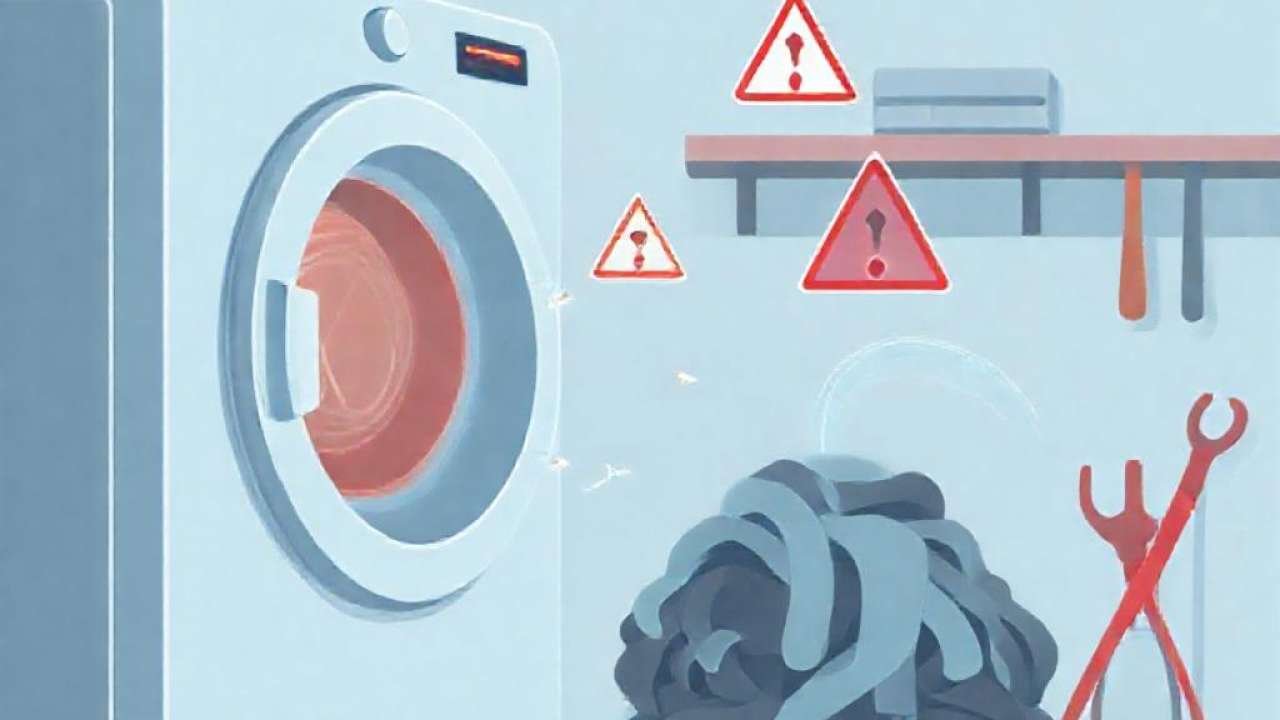
If you are staring at a blinking display on your appliance, you likely know the frustration of a laundry day interrupted. The Electrolux Washer E10 error code is a common signal that can halt your washing cycle mid-way, leaving clothes soaking or leaving the machine completely unresponsive to new commands.
Understanding what this code means is the first step toward a DIY fix. In most cases, the E10 error is not a sign of a catastrophic mechanical failure, but rather a symptom of a simple water intake problem. By following a systematic troubleshooting guide, you can often resolve the issue without the need for an expensive service call.
Understanding the Electrolux E10 Error Code
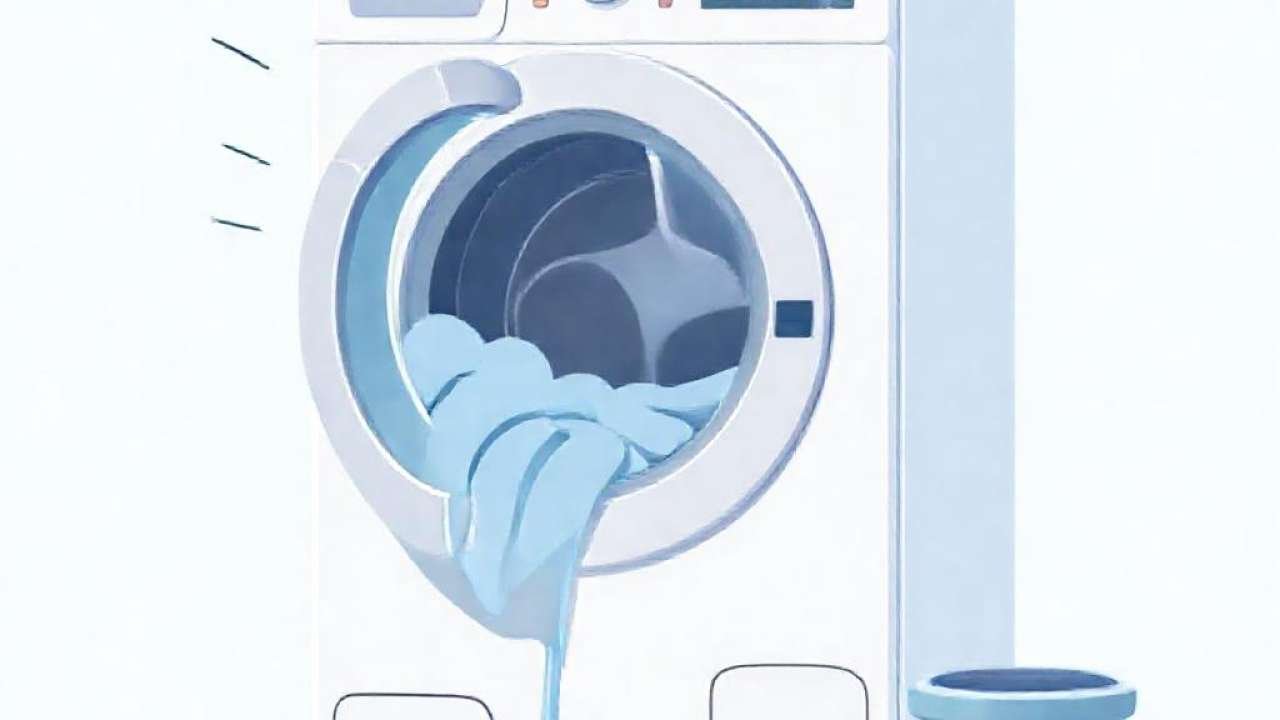
The E10 error code specifically indicates that the washing machine is unable to fill with water within the allotted time. When the control board sends a signal to open the water valves, it expects to see a rise in water levels via the pressure sensor. If the water level does not change, the system triggers the error to prevent the motor from running dry or the heating element from burning out.
While the error is most commonly associated with water supply issues, it can occasionally stem from electronic sensor discrepancies. However, 90% of the time, the culprit is a physical blockage in the water inlet system. Identifying this early saves time and prevents further strain on the machine’s internal components.
Checking the Water Supply and Hoses
Before you start dismantling the machine, you should perform the simplest checks first. Ensure that your home’s water supply is actually turned on and that the water faucet is fully open. It may sound obvious, but sometimes a closed valve or a sudden drop in household water pressure can trigger the Electrolux washer E10 error.
Next, inspect the inlet hose connected to the back of your machine. Look for any sharp kinks or heavy objects pressing against the hose, which could be restricting the flow of water. If the hose is pinched, straighten it out and see if the machine resumes its cycle. If the flow remains restricted, you may need to disconnect the hose to check for internal obstructions.
Cleaning the Inlet Filters
The most frequent cause of the E10 error is clogged inlet filters. Inside the threaded connection where the hose meets the washing machine, there are tiny mesh screens designed to catch sediment, sand, and mineral deposits from your plumbing. Over time, these screens become choked with debris, significantly reducing the water flow.
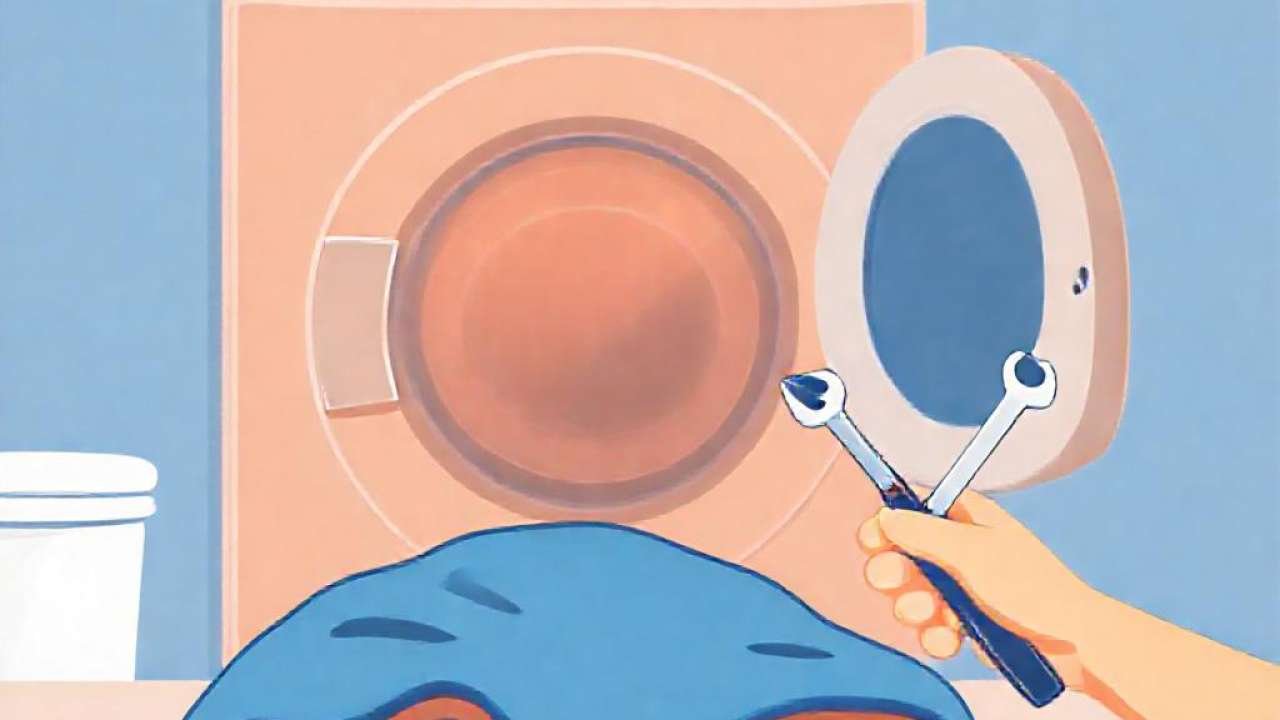
To fix this, turn off the water supply and carefully unscrew the inlet hose from the back of the machine. Use a pair of pliers to gently pull the small plastic filter mesh out of the valve housing. Rinse the filter under running water using a soft brush to remove all trapped particles. Once cleaned, reinsert the filter and reconnect the hose, ensuring a tight, leak-free seal.
Common AEG and Zanussi Error Patterns
It is important to note that if you own an AEG Lavamat or a Zanussi appliance, you may encounter very similar error behaviors. These brands all share the same manufacturing platform, meaning they utilize an identical error code system. If you see an «E» followed by a number, the first digit tells you the category of the fault.
For instance, while E1x generally refers to water fill issues, E2x codes typically indicate a drainage problem, and E3x relates to the pressure switch. Knowing this structure allows you to narrow down the problem quickly. Because they share the same engineering, replacement parts for Electrolux machines often work perfectly for AEG and Zanussi models as well.
Advanced Troubleshooting: The Solenoid Valve
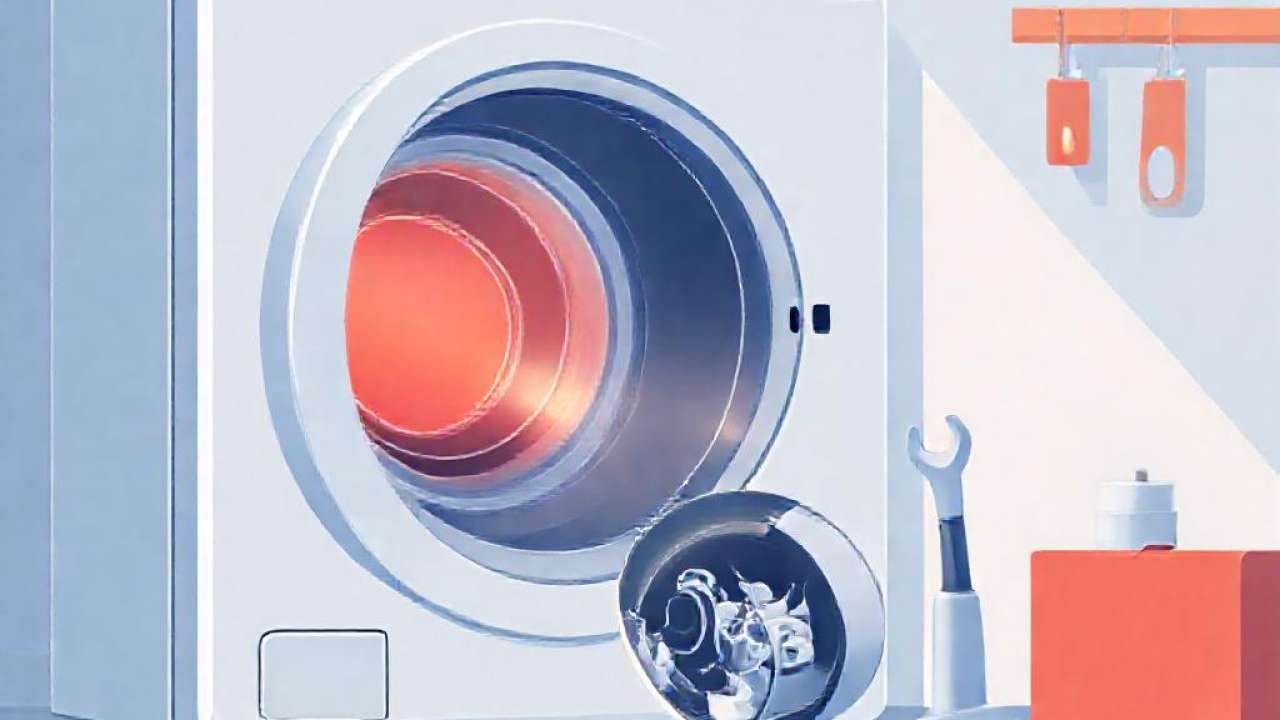
If you have cleaned the filters and confirmed water pressure is adequate, but the E10 error persists, the water inlet solenoid valve might be faulty. This electronic component acts as a gatekeeper, opening and closing to allow water into the drum. If the internal coil has burnt out or the mechanism is stuck, the machine cannot fill.
Diagnosing a faulty valve usually requires a multimeter to check for electrical continuity. If the valve does not receive power or fails to respond to the control board’s signal, it will need to be replaced. This is a more advanced repair that requires opening the top panel of the machine and handling electrical connections carefully.
Checking for Internal Blockages and Pressure Issues
In some rare instances, the fault might not be the water coming in, but how the machine «senses» that water. A blockage in the pressure chamber or a faulty pressure switch can lead the computer to believe the machine is empty when it is actually filling, or vice-versa, triggering an error code.
Ensure that the thin tube leading to the pressure switch is not blocked by detergent buildup or lint. If the machine’s sensor cannot accurately detect the incoming water level, it will default to an error state. Keeping the machine clean and using the correct amount of detergent can help prevent these internal build-ups from occurring in the first place.
Maintenance Tips to Prevent Future Errors
To prevent the Electrolux E10 error from returning, implement a regular maintenance routine. Periodically checking your inlet filters every six months can prevent sediment buildup from ever becoming a problem. Additionally, using a descaling agent during your monthly «hot wash» cycles helps keep the internal pathways clear of calcium deposits.
Always ensure you are using the recommended amount of detergent. Excessive suds can sometimes interfere with the water level sensors and lead to various electronic errors. By treating your machine with consistent care, you can extend its lifespan and avoid the frustration of sudden error messages.
Recommended Video Guide
Conclusion
The Electrolux Washer E10 error code is a manageable issue that usually boils down to restricted water flow. By checking your supply, cleaning the inlet filters, and inspecting the hoses, you can often solve the problem in minutes. Remember that because Electrolux, AEG, and Zanussi share a platform, these troubleshooting steps are universally applicable across these brands.
If basic cleaning doesn’t work, you may be looking at a solenoid valve or a sensor issue. However, most homeowners find that a simple cleaning of the mesh filters is all it takes to get their laundry routine back on track. Stay proactive with maintenance, and your washing machine will remain reliable for years to come.