If you have ever opened your kitchen to find a puddle on the floor or a blinking light on your appliance, you know how frustrating a malfunctioning dishwasher can be. Specifically, seeing an LG Dishwasher AE Error Code on your display can be alarming as it typically indicates a leak detection event.
This error code is a safety mechanism designed to prevent water damage to your home. Understanding why the AE error code appears is the first step toward resolving the issue, whether it is a simple DIY fix or a situation that requires professional intervention.
Understanding the AE (Aqua/Leak) Error Code
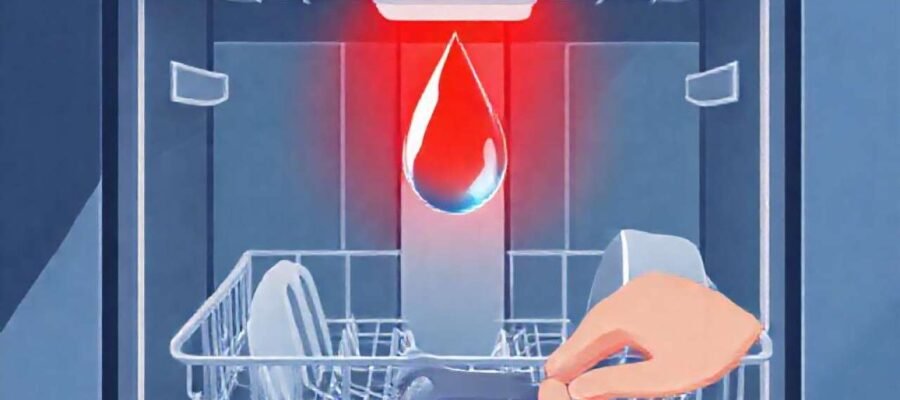
The AE error code, sometimes referred to as an «Aqua» error, occurs when the dishwasher’s internal sensors detect water accumulating in the base pan. This pan is located underneath the main tub of the machine. When water reaches a certain level in this tray, a float switch is activated, triggering the error to prevent an overflow.
When this happens, most LG models will automatically shut off the water supply and prevent a new cycle from starting. It is important to recognize that this is a protective measure meant to safeguard your flooring and cabinetry from potential water damage. Do not attempt to force a cycle while this code is active.
Immediate Steps to Take When an AE Error Appears
The very first thing you should do when encountering the LG dishwasher leak error is to turn off the water supply to the unit. This prevents any continuous flow of water if a valve or hose has failed. Once the water is off, unplug the unit or turn off the circuit breaker to ensure you are working in a safe, dry environment.
After securing the power and water, you will need to deal with the standing water. Carefully tilt the unit forward slightly or use a towel to soak up any visible moisture. If the water is trapped in the base pan, you may need to drain it manually to reset the sensor and clear the code.
Common Causes of Water Leaks in LG Dishwashers
There are several reasons why water might end up in the base pan. One of the most frequent culprits is a faulty door seal or gasket. Over time, the rubber seal around the door can become brittle, cracked, or contaminated with food debris, allowing water to seep out during a cycle.
Another common cause is a loose or damaged inlet hose or drain hose. If the connections are not tight, or if the hoses have developed small punctures, water will escape and collect underneath the machine. Additionally, a cracked wash tub or a faulty spray arm can cause water to splash excessively, leading to a leak detection event.
Troubleshooting and Fixing the Leak
To troubleshoot, start by inspecting the door gasket. Clean the seal thoroughly with warm, soapy water to remove any buildup that might be preventing a tight seal. If you notice any visible cracks or tears in the rubber, the door gasket must be replaced to resolve the AE error code.
Next, check the water inlet valve and all connection points. Ensure that no hoses are kinked or pinched against the wall or the back of the dishwasher. If you find a leak coming from a specific connection, tightening the clamp or replacing the damaged hose is usually a straightforward DIY repair.
Other Frequent LG Dishwasher Error Codes
While focusing on the AE code, it is helpful to know what other errors might appear on your display. For instance, an OE error (Drain Error) means the unit is not draining; this is often solved by cleaning the filter. An IE error (Inlet Error) suggests the machine isn’t filling with water, while an FE error (Overfill Error) indicates a potential issue with the water inlet valve.
You may also encounter an HE error (Heater Error), which points to a malfunctioning heating element, or an LE error (Motor Locked), indicating the motor is obstructed. If you see a CL code, don’t panic—that stands for «Child Lock,» which is a feature rather than a malfunction. Knowing these distinctions can save you unnecessary stress during troubleshooting.
When to Call a Professional Technician
If you have cleaned the filters, checked the hoses, and inspected the door seal but the AE error code persists, the problem may lie within the internal components. Issues like a faulty float switch, a cracked internal tub, or a failing water inlet valve often require specialized tools and expertise to diagnose and repair.
Typical repair costs for dishwasher issues range from $150 to $350. Many service providers charge an initial diagnostic fee, often around $89, though many companies will waive this fee if you choose to proceed with the recommended repair. If the leak is coming from inside the machine’s mechanical housing, calling a professional is the safest route.
Recommended Video Guide
Conclusion
Encountering an LG dishwasher AE error code is a clear signal that your appliance has detected moisture where it shouldn’t be. While it can be disruptive, it is a vital safety feature designed to protect your home from flooding. By following the steps of turning off the water, cleaning the seals, and checking the hoses, you may be able to fix the issue yourself.
However, always remember to prioritize safety by disconnecting power before inspecting any internal parts. If DIY methods fail, do not hesitate to contact a certified technician to ensure your dishwasher is returned to safe, working order.